Tax rises are on the table ahead of next month’s Budget, Rachel Reeves has indicated, amid mounting speculation over how the chancellor will fill a black hole of up to £50bn.
Sending a strong signal that some form of tax hike could be on the table, the chancellor suggested the government needed to ensure there was “sufficient headroom” above its spending plans, and that its fiscal rules are met.
The chancellor has previously insisted that Labour’s manifesto commitment not to raise income tax, national insurance or VAT “stands” when questioned about how she will bridge a fiscal black hole in November.
But asked just last week about claims the Treasury was considering an income tax hike, Ms Reeves reportedly said she would “continue to support working people by keeping their taxes as low as possible” but was still “going through the process” of writing the Budget.
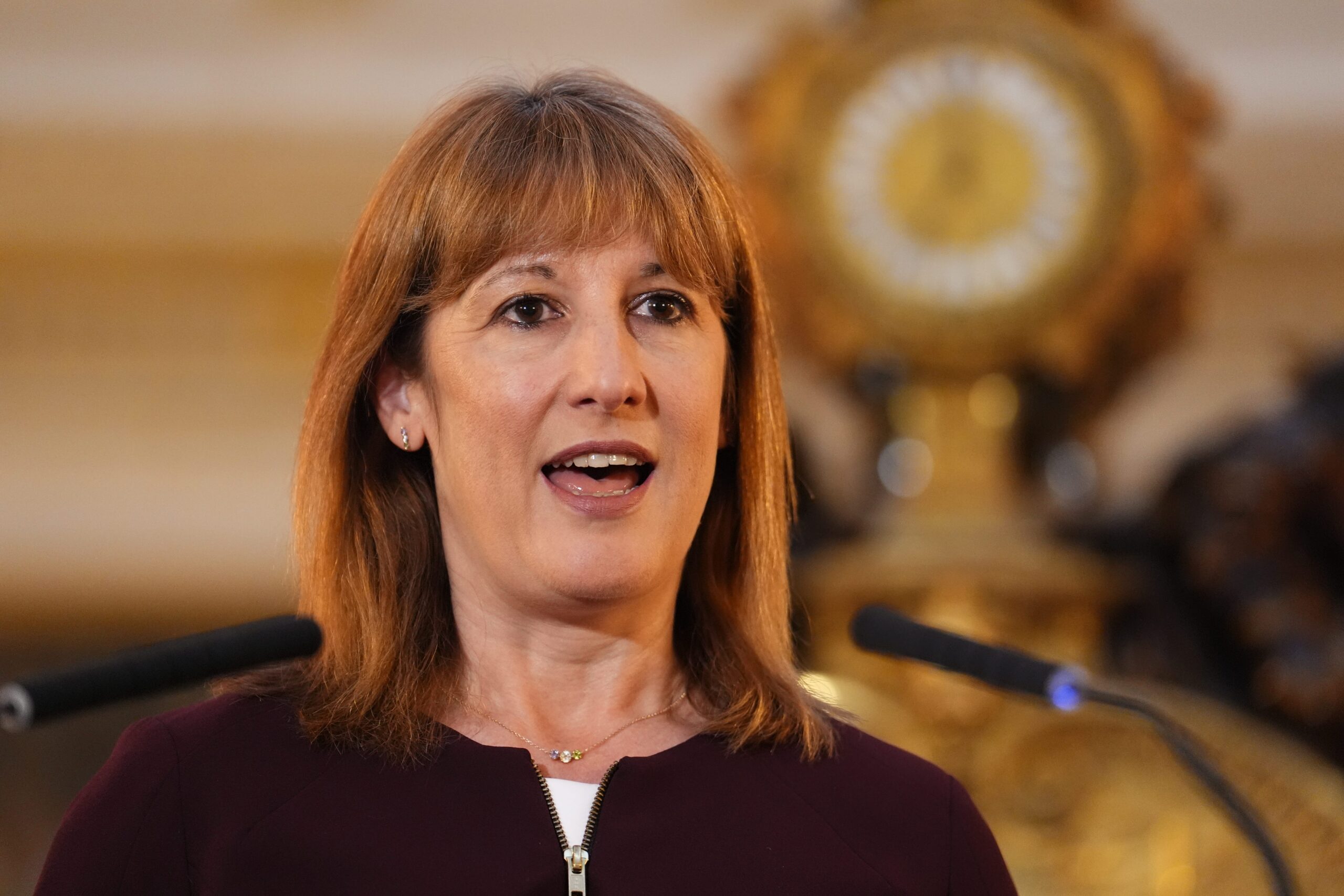
She is widely expected to use the Budget to increase taxes once again, with the Institute for Fiscal Studies estimating she needs to find £22bn of tax rises or spending cuts to meet her self-imposed fiscal rule.
Meanwhile, the National Institute of Economic and Social Research has suggested the black hole could be as big as £50bn, as a result of sluggish productivity, government U-turns and higher than expected interest payments.
Speaking at Fortune Magazine’s global forum in Riyadh, Saudi Arabia on Monday, she did not rule out the possibility of tax rises when asked if they were being considered as part of the Budget.
“The underpinning for economic growth is stability, and I’m not going to break the fiscal rules that we’ve set,” the chancellor replied.
She added: “We are going to reduce that primary deficit, we are going to see debt starting to fall as a share of GDP, because we need more sustainable public finances, especially in the uncertain world in which we live today.
“So growth will be a big part of that Budget story, in a way that, frankly, I think growth has been neglected as a tool of fiscal policy in the last few years.
“But we are looking, of course, at tax and spending to ensure that we both have resilience against future shocks by ensuring we’ve got sufficient headroom, and also just ensuring that those fiscal rules are adhered to.”
The chancellor is leading a UK delegation to Saudi Arabia in a search for economic growth, with less than a month to go before the potentially difficult Budget.
During the visit, Ms Reeves also suggested she was “confident” a trade deal with the Gulf Co-operation Council (GCC) could be finalised – a deal which the Treasury hopes could add £1.6bn to the UK economy and contribute an additional £600 million to UK workers’ annual wages in the long term.
The chancellor acknowledged she arrived “a little bit late” for her event at the Fortune conference, telling the audience it was a result of “really good meetings” about the deal.
Ms Reeves said she hoped conference attendees “will agree that’s worth it, if we can get that GCC deal over the line”, and later added: “And yes, I am confident that we can get that deal over the line.”
Asked if she was considering higher taxes on the wealthy at the Budget, Ms Reeves insisted that “there is another way to improve the fiscal position: growing the economy”.
Ms Reevesis understood to be seriously considering imposing a mansion tax at the budget, which would mean owners of properties worth at least £2m facing an annual charge of 1 per cent of the amount by which it exceeds that value.
But the chancellor also defended the government’s approach to the very rich, when asked about why some were leaving the UK for other countries.
“Everybody knows that countries around the world are having to spend more on defence that we need to rebuild our public finances and our public services, and everyone who makes Britain their home should contribute to that,” the chancellor said.
She added: “We don’t want to drive anyone out of the UK, but we do want to make sure that we tax people fairly, people who make Britain their home, whichever country they or their parents are originally from.”
