For 20 years Allen has been vilified for her honesty. But it is what makes West End Girl such a masterpiece
What is the most devastating part of Lily Allen’s new album, West End Girl? Is it when its narrator submits to the open marriage her husband has requested, even though it makes her “really fucking sad”? Is it when she stays up all night in London, thinking about him in New York, and his question, “if it has to happen baby do you want to know?”
Is it when she reads his texts? When she calls his mistress to find out if it was more than just sex? When she finds the bag of butt plugs at his apartment? When she fears she might be relapsing into drink and drugs? When she cries, in a gnarly, dissociative autotune, “The girls are looking at me to teach them all about love, but I can’t seem to hold myself together long enough”?
West End Girl is a stunning record – the unravelling of a “modern wife” so staggeringly honest in its storytelling that it is only, I suspect, defamation law that has prevented Allen from mentioning her ex-husband, the Stranger Things star David Harbour, by name.
Now the world has heard this account of their divorce and all its horrible details – the Brooklyn brownstone, the Duane Reade bag of Trojan condoms, the tennis matches with “Madeline” – it might be prudent for him to disappear into the Upside Down and never emerge. Allen has excavated the cruelty and confusion in his betrayal and composed a portrait of a woman in freefall that straddles dance, reggae, Western, dubstep and pop. Seven years away from music have made her no less uniquely, brutally direct.
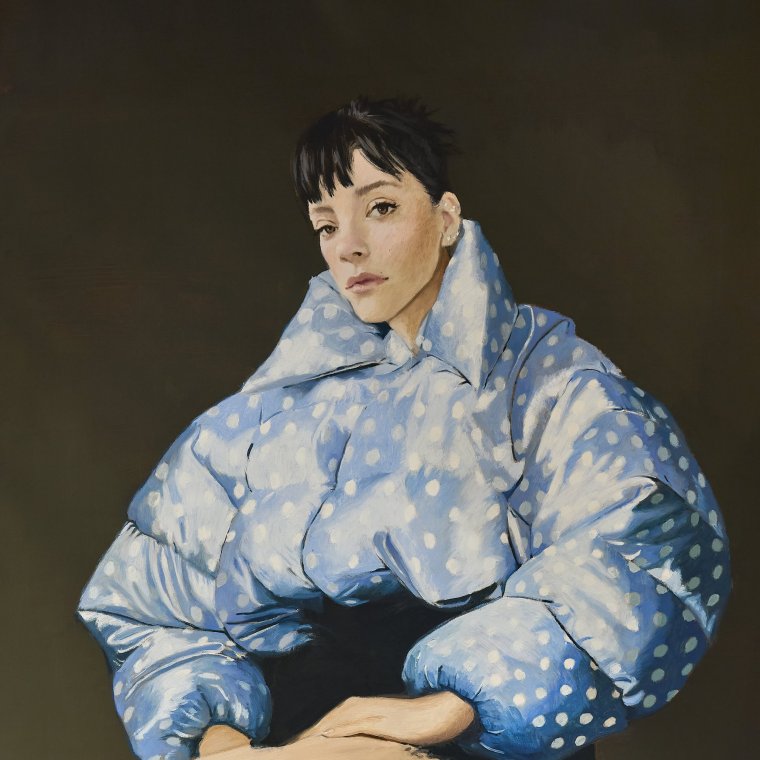
Allen, 40, has now been famous for nearly 20 years. In 2006, when she was a gobby 21-year-old promoting her songs about London and sleazy men on MySpace, she was immediately divisive: a young woman who refused to submit to any expectation of well-behaved, squeaky-clean pop star. Instead, she was out to make money, make music, and have a good time.
She wore trainers and dresses and massive hoop earrings; she played up to her image of the girl kicked out of multiple boarding schools; she got lairy at festivals and got herself into high-profile fights with celebrities like Cheryl Cole, Piers Morgan, Elton John and Courtney Love. Some called it obnoxious, some called it refreshing, nobody really respected her lack of filter and everyone gleefully watched on as she became a tabloid sensation. As she herself noted recently, many of her celebrity peers – Amy Winehouse, Peaches Geldof – ended up dead.
She grew up, but she didn’t go quiet. And Allen’s defiant openness as she got older (though she was still very young), only invited more scrutiny. A seven-year stalking ordeal, money problems, the death of her first child George, who was stillborn, postnatal depression, her marriage falling apart after she went on tour to America and slept with female escorts – “candid” was Allen’s only mode, and the extremes of what she is willing to say should have been admired. Instead, she was torn apart.
Eighteen months ago, Allen and her childhood friend Miquita Oliver started Miss Me, a BBC Sounds podcast that invited the public to eavesdrop on the women’s biweekly, transatlantic phone calls. Almost immediately, it was a hit – nosiness about their relationship, their reflections on the mid-2000s and their strange, celebrity-adjacent childhoods made it irresistible. But it was Allen’s astounding openness that made it compulsive. Whatever the women were discussing – the Met Gala, weight loss drugs, sex chairs – Allen was insightful and considered.
Far from an attention-seeker, she was unapologetic, human, intelligent, vulnerable and exactly the kind of woman others, listening, wanting to feel understood, could see themselves in, at last.
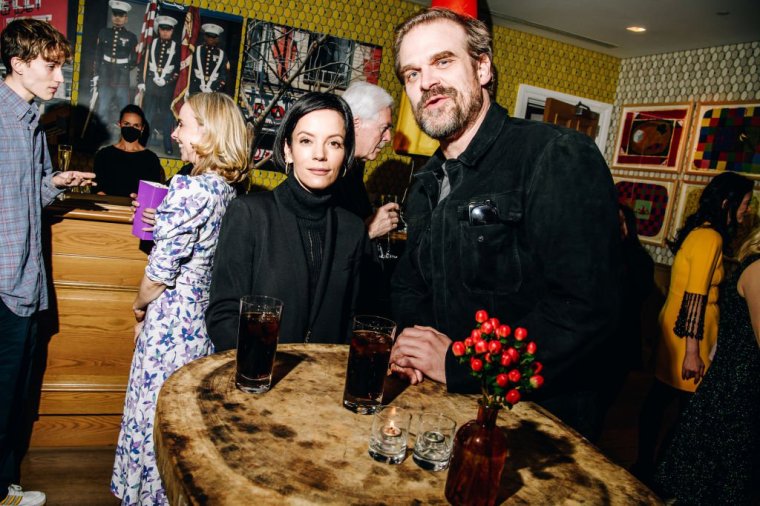
Obviously, the tabloids remained obsessed with her – and she handed them headlines on a platter, saying she couldn’t remember how many abortions she’d had, or that her family returned a puppy after it ate their passports.
But now Allen was a wise, resilient, experienced, cynical mother of teenage daughters – the opposite of the defensive gobshite she’d once been portrayed. Fame, addiction, money, ADHD, daddy issues, orgasms – everything was fair game. She could examine how her absent parents had affected her, draw lines from past grief and trauma to her co-dependent relationships.
Somehow, it wasn’t insufferably over-therapised, but self-aware, whether she was talking about her fragile body image or feeling unable to write music she thinks is any good. We might think in an age of oversharing there’s nothing radical about Allen’s honesty – but there are no other celebrities so willing to say what they think, and lay out their vulnerabilities, without shame.
Allen couldn’t have known that Miss Me, before she gave it up in September, would chart another unstable period of her life. But where others might have concealed the truth, as her marriage fell apart, she did not try to keep her struggles a secret on the podcast. They were there in her conversational allusions and in her absences, when she was seeking treatment or needed a break. Her pain was on the record, twice a week.
Now it is immortalised on West End Girl. It is addictive, funny and heartbreaking. Allen has said that she would swap the experiences that forged it for happiness and stability. That her compulsion to share things on a grand scale is almost “sociopathic”. In fact it is bold, as so many women wish they had the guts to be.
