The Trump administration announced Thursday that approval had been granted for the construction of a controversial road through a pristine wildlife refuge in Alaska that officials and activists have fought over for decades.
Interior Secretary Doug Burgum signed a certificate of approval for a sweeping package of measures, including allowing the King Cove Corporation to build the road to connect the remote villages of King Cove and Cold Bay, around 900 miles south west of Anchorage.
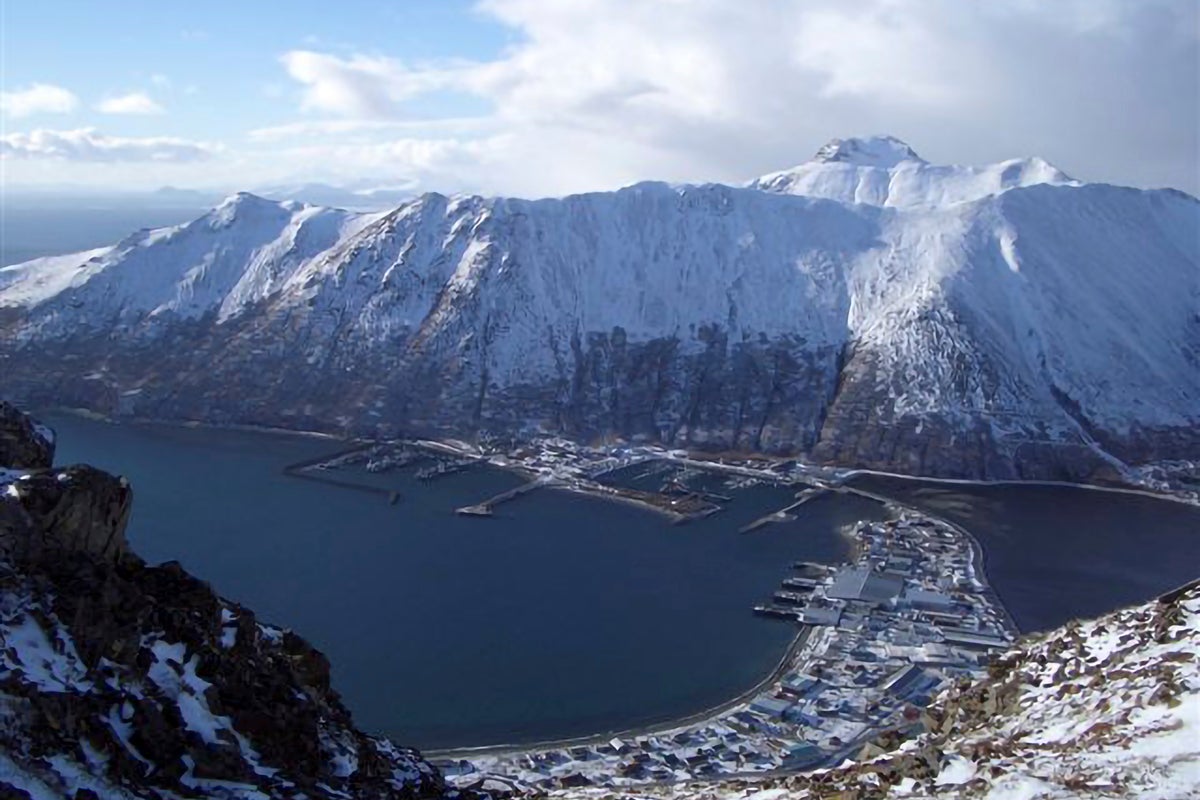
The road, which will be approximately 11 miles long, will run through the Izembek National Wildlife Refuge which contains internationally renowned wetlands and essential habitats for vulnerable species and migratory birds.
Burgum and Alaskan authorities have argued that the road will provide an essential path for residents of the tiny fishing village of King Cove, who must often travel via boat to Cold Bay airport to fly in search of medical treatment.
“It just seems preposterous to me that somehow it’s taken 40 years for us to put people first,” Burgum said at a news conference Thursday, following the signing.
“For decades, Alaskans in King Cove have asked for a safe land route to critical services in Cold Bay. With the right-of-way now secured, we can move from promise to progress and build the life-saving road connection these communities deserve,” added Ryan Anderson, commissioner of the Alaska Department of Transportation and Public Facilities
As part of the deal, the Interior Department will transfer around 500 acres of land within the refuge to King Cove Corporation. In exchange, the corporation will give the government thousands of acres of its own land, some of which would be added to the refuge.
Move will cause ‘irreparable harm,’ says activists
Activist groups argue that the proposed road will cause “irreparable harm” to Izembek’s ecosystem and wildlife, including vulnerable species like Pacific black brant, emperor geese, and endangered Steller’s eider.
The heart of the refuge is Izembek Lagoon, a coastal ecosystem that is home to one of the world’s largest eelgrass beds, which feed the various species during migration. More than 200 species, from brown bears to Pacific Salmon, live in the refuge.
Cooper Freeman, Alaska director at the Center for Biological Diversity, called the road a “profoundly bad idea that will wreak havoc on one of the planet’s most important migratory bird sanctuaries,” adding that it would set a “dangerous precedent” that would leave other state national parks and refuges vulnerable for exploitation.
Burgum’s announcement has also angered Alaska Native Tribes, who are still recovering from the aftermath of Typhoon Halong.
“To see the Izembek land exchange back in the news, while Alaska is still reeling from this most recent climate change-induced heartbreak, is disheartening and anger-inducing,” said Angutekaraq Estelle Thomson, Traditional Council President of the Native Village of Paimiut.
“Surely, the people of King Cove can see the value of leaving the habitat for so many species intact would be far more valuable than any road could be.”
The Native Village of Hooper Bay and other Tribes in the Yukon-Kuskokwim Delta region have repeatedly requested to meet with lawmakers on Izembek and to have their perspectives included in the process. They say those requests have been denied or left unanswered.
A debate stretching back decades
The back-and-forth over whether to construct the road has been rumbling on for over three decades, though Izembek has enjoyed federal protections since Jimmy Carter signed the Alaska National Interest Lands Conservation Act in 1980.
The Clinton administration brokered a deal to commission a hovercraft that could transport residents between the two villages in 20 minutes. However, at a cost of $50 million, the scheme, which was launched in 2003, was later deemed too costly, and abandoned in 2010.
During Barack Obama’s second term the land swap agreement was revisited but declined, after the Interior Department concluded that there were at least three other viable options for transporting King Cove residents to the Cold Bay airport.
Under Trump’s first term, the swap was reignited but denied multiple times by various state courts but in 2021 Interior Secretary Davide Bernhardt issued a memo allowing the Fish and Wildlife Service to approve a right-of-way permit consistent with the proposed road construction across Izembek.
Though the exchange proposal was pulled by Bernhardt’s successor, Deb Haaland in 2023, a further proposal was put forward by the Biden administration in November 2024. That proposal was signed by Burgum, following Trump’s return to the office.
Shortly before his death last year at the age of 100, Carter also warned that allowing the road would set a dangerous precedent, writing in a legal filing that it would pave the way for future administrations to destroy millions of acres of protected natural land.
Trump administration claims to be ‘unlocking Alaska’s potential’
Indeed, the measures set out by Burgum also include other controversial proposals such as the leasing of vast swathes of land in Alaska for oil and gas companies to tap natural resources, as well as the construction of another road – the Ambler Road – a 211-mile industrial road to provide access to the Ambler Mining District, which has also proved controversial.
“From day one, President Trump directed us to unlock Alaska’s energy and resource potential while honoring commitments to the state and local communities,” said Burgum. “By reopening the Coastal Plain and advancing key infrastructure, we are strengthening energy independence, creating jobs and supporting Alaska’s communities while driving economic growth across the state.”
The Department has reopened 1.56 million acres of the Coastal Plain to oil and gas leasing—reversing the previous administration’s 2024 plan that restricted development to the statutory minimum, and restoring leases to the Alaska Industrial Development and Export Authority, allowing development to move forward.
The leases were cancelled by the Biden administration in a decision later overturned by the courts.
Additionally, eligible Alaska Native Vietnam-era veterans will now be able to apply for up to 160 acres of federal land they were unable to claim while serving their country, the administration announced Thursday.
“Together, these actions highlight the Trump administration’s commitment to responsible energy development, fulfilling statutory obligations and improving Alaskan’s quality of life,” a statement said. “They demonstrate Interior’s continued focus on reducing regulatory barriers, expanding domestic energy production, supporting local economies, and securing Alaska’s role in fueling America’s energy and economic security.”
