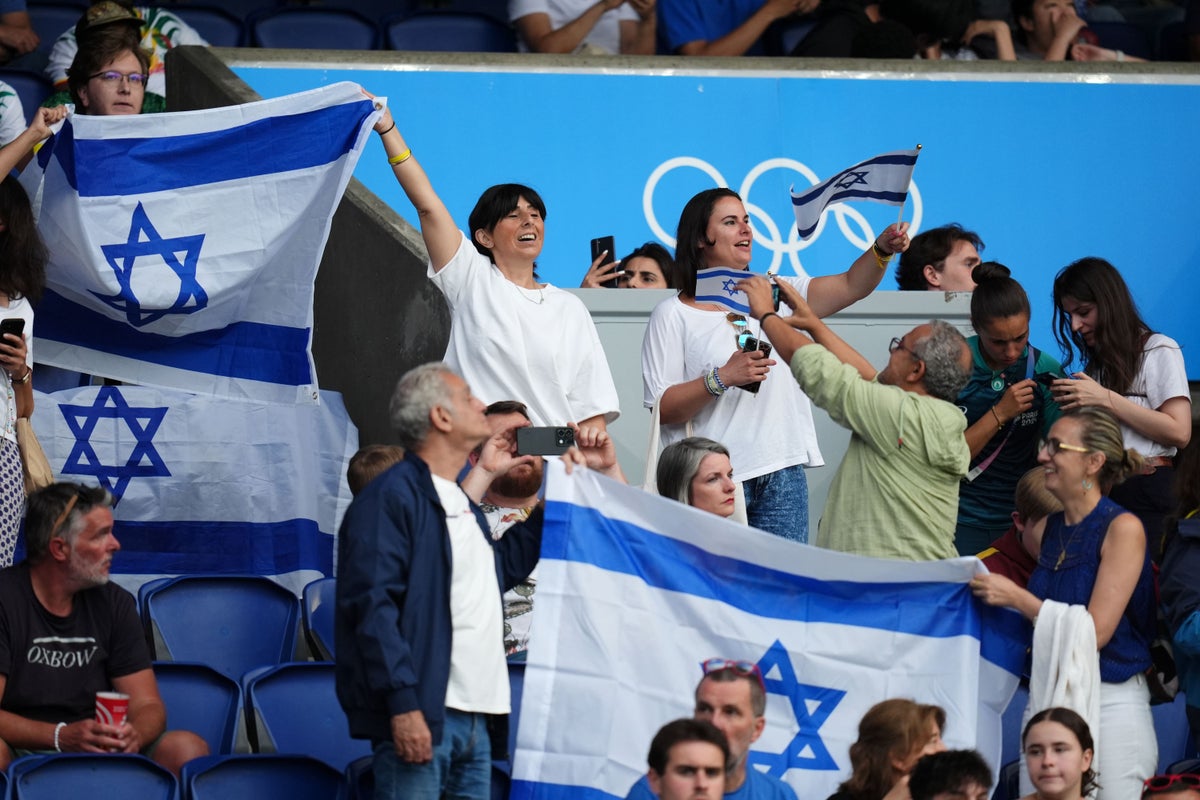
A major cycling race in Spain was disrupted by protests against an Israeli team, while a basketball game in Poland saw fans booing the Israeli national anthem. These incidents, coupled with threats from several European countries to boycott a signature entertainment event if Israel participates, signal a growing global backlash. The humanitarian toll of the war in Gaza is increasingly spilling into the international arenas of sports and culture.
Critics argue that Israel should face similar international isolation to Russia, which was largely sidelined from global events following its full-scale invasion of Ukraine in 2022. This comparison draws on the widespread condemnation and Western sanctions that Russia encountered.
However, unlike Russia, Israel has not been subjected to widespread exclusion by major global sports institutions such as the International Olympic Committee or the world football body FIFA. Beyond the minor international Muay Thai federation, there has been little willingness within international sports to prevent Israeli athletes from competing under their national flag.
But Spanish Prime Minister Pedro Sánchez raised the temperature earlier this week by siding with pro-Palestinian protesters who disrupted the Spanish Vuelta cycling race, saying it’s time to boycott Israel from international sports events until the “barbarity” in Gaza ends. A day later, Spain’s public broadcaster joined three other European countries threatening to withdraw from and not carry next year’s Eurovision Song Contest – a hugely popular event in Israel and across Europe – if Israel is allowed to compete.
Earlier this month, some Hollywood filmmakers, actors and other industry figures signed a pledge to boycott Israeli film institutions — including festivals, broadcasters and production companies.
Why, Sánchez asked, shouldn’t Israel be expelled from sports just like Russia?
“This is different,” the IOC’s executive director for Olympic Games, Christophe Dubi, said this week in Milan when asked to compare the two.
Both the IOC and FIFA have said the legal reasons for acting against Russia have not been reached in Israel’s case but haven’t given detailed explanations. The IOC has said Israel hasn’t breached the Olympic charter like Russia, when it annexed territories in eastern Ukraine. Also, European soccer federations and clubs are not refusing to play Israeli opponents.
FIFA declined a request for comment on its Israel policy and the delayed work of two panels reviewing formal complaints by the Palestinian soccer federation, which has long tried to bar Israel from competition over its treatment of Palestinians.
Israel reacted strongly to Sánchez’ call for a sports boycott. Foreign Minister Gideon Saar called the Spanish leader an “antisemite and a liar.” Israel has dug in its heels in the face of international isolation and criticism of its military campaign, which came in response to the Oct. 7, 2023, attack on Israel by Hamas-led militants.
The most notable exclusion from international sports was imposed on Apartheid-era South Africa. It did not compete at any Olympics after 1960 until the 1992 Barcelona Summer Games, two years after Nelson Mandela was released from prison.
Russia was swiftly blacklisted by most sports federations after the February 2022 invasion of Ukraine. Its athletes competed under a neutral flag at the Paris Olympics.
Currently there is no momentum for Israel to face the same fate. Still, some analysts said the move by Spain is significant, not least because it is a major soccer power set to co-host the 2030 World Cup. It also will host an NFL game next month and the opening stage of next year’s Tour de France bike rice.
“Until now we haven’t seen this type of outrage against Israeli action in Gaza,” said Antoine Duval of the Asser Institute, a Netherlands-based think tank. “I think this tide is turning now.”
How impactful Spain’s move will be remains to be seen. No world leader has so far followed Sánchez’ call for excluding Israel from international sports.
On Thursday, a British lawmaker in Birmingham called on European soccer body UEFA to “urgently cancel” soccer team Aston Villa’s Nov. 6 Europa League match against Israeli club Maccabi Tel Aviv “to ensure public safety and community harmony.” UEFA has not shown any indication it will do so.
Israel’s culture and sports ministry didn’t return messages seeking comment.
In Europe, several sports federations have groused about having to play Israeli teams, while noting they have no choice since Israel isn’t banned from international competitions.
“Facing Israel in these circumstances is not a scenario we would wish,” Basketball Ireland chief executive John Feehan said last month about being drawn to play Israel in a Women’s Eurobasket qualifying game in November. “But there has been no change in Israel’s status within sport.”
Feehan said Ireland’s basketball federation could face sanctions “should we elect not to play, which would be hugely damaging to the sport here.”
In men’s soccer, Italy and Norway will host Israel next month in a World Cup qualifying matches and both federations spoke this week of their dissatisfaction with the situation.
Italian soccer leader Gabriele Gravina said he was “well aware of the sensitivity of Italian public opinion” about the Oct. 14 game in Udine. But refusing to play would result in a 3-0 loss by forfeit, according to FIFA’s rules.
“Not playing also means clearly saying we’re not going to the World Cup, we have to be aware of that,” Gravina said, adding that a boycott would instead help Israel advance closer to the finals tournament in the United States, Canada and Mexico.
Norway, which will play Israel on Oct. 11, said it would donate profits from ticket sales to Doctors Without Borders for its humanitarian work in Gaza.
When the Israel men’s national team played in Poland at Eurobasket last month, there were protests outside the arena in Katowice. Inside, the Israeli anthem was loudly booed by fans.
Last year, Maccabi Tel Aviv fans were involved in violent clashes with residents in Amsterdam while attending a soccer game there.
Protests inside stadiums are regularly seen in European soccer, even at the Champions League final in May. A “Stop Genocide In Gaza” banner in French was displayed during the game by Paris Saint-Germain fans congregated behind one goal in Munich.
UEFA did not open a disciplinary case, despite having rules prohibiting political messaging. It fueled the debate at its own Super Cup game in August: Before kickoff in Udine, banners saying “Stop Killing Children. Stop Killing Civilians” were laid on the field in front of the PSG and Tottenham players.
In tennis, Canada hosted Israel in the Davis Cup last weekend behind closed doors in Halifax, Nova Scotia, due to “escalating safety concerns.” The move came after hundreds of Canadian athletes and academics urged Tennis Canada to cancel the matches over Israel’s actions in Gaza and the West Bank.
In 2023, Indonesia lost hosting rights for the men’s Under-20 World Cup for FIFA rather than accept Israel playing on its turf. But its stance appears to have changed.
Israeli media reported in July that the country’s gymnastics federation was invited by Indonesia to send a team to the world championships in Jakarta later this year. Indonesia is currently in talks with the IOC to be considered as a host for the 2036 Summer Games.
