Around 320 patients a week may have died avoidably in England last year due to excessive waits for hospital beds in Accident and Emergency departments.
The Royal College of Emergency Medicine (RCEM) estimates more than 16,600 deaths were linked to these delays, a sobering increase of 20 per cent compared to 2023.
Dr Adrian Boyle, president of the RCEM, described the figures as “the equivalent of two aeroplanes crashing every week,” highlighting the devastating impact on families.
He will present these findings at the launch of the All-Party Parliamentary Group (APPG) on Emergency Care, underscoring the urgent need for action to address this critical issue.
“I am at a loss as how to adequately describe the scale of this figure”, Dr Boyle remarked.
“To give it some context, it is the equivalent of two aeroplanes crashing every week.
“It’s sobering, heartbreaking, devastating and more. Because this is so much more than just data and statistics.
“Each number represents a person – a dearly loved family member, grandparents, parents, siblings and friends – who has died because of a system in crisis.
“These were patients who were stuck in emergency departments, watching the clock tick by as they waited extremely long hours, often on a trolley in a corridor, for an in-patient bed to become available for them.”
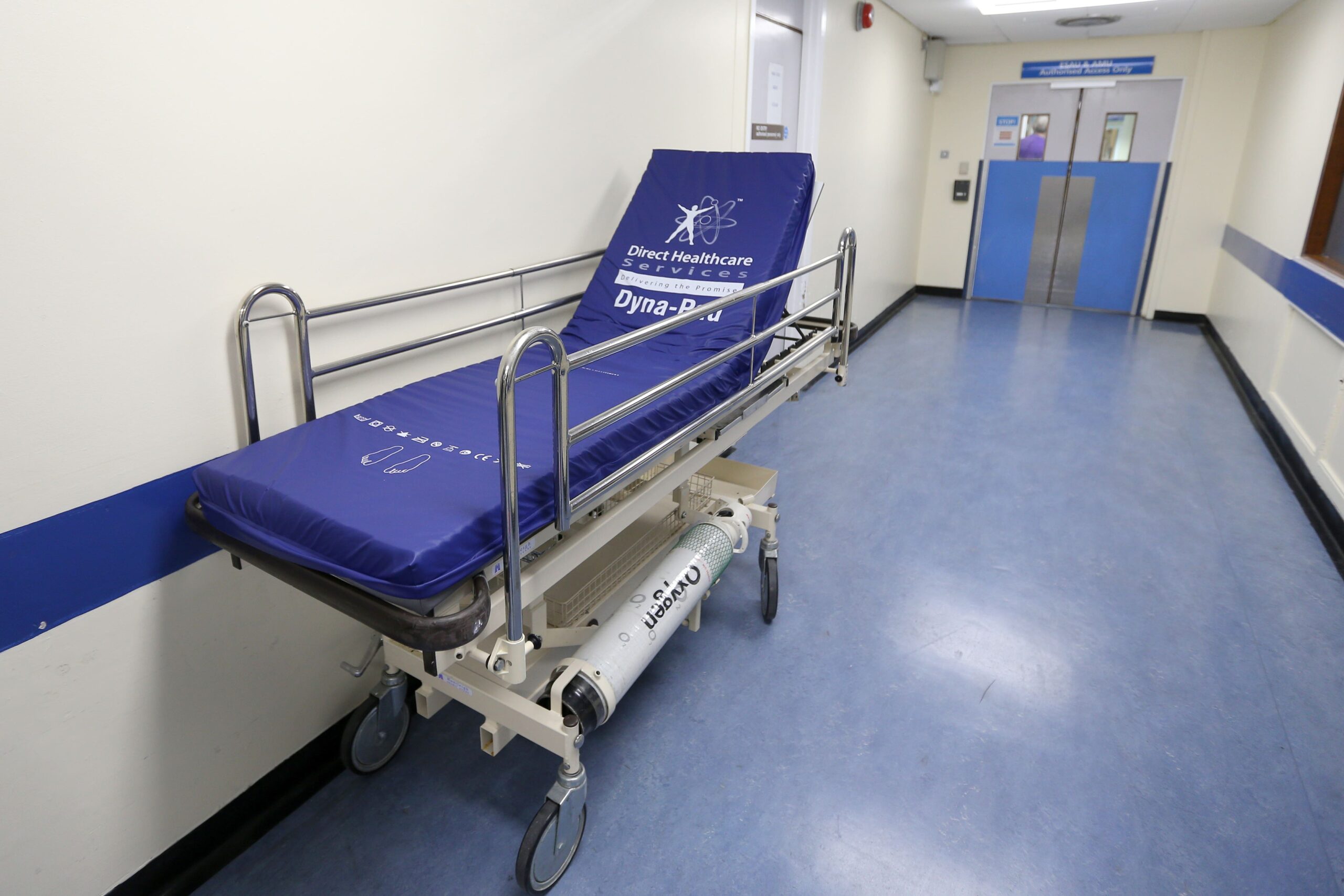
All-Party Parliamentary Group (APPG) on Emergency Care, chaired by Labour MP Dr Rosena Allin-Khan, an A&E doctor, has said it will look first at the harm caused to patients by delays and “corridor care”.
Last year, more than 1.7 million patients waited 12 hours or more to be admitted, discharged or transferred from A&E.
Of these, 69.2 per cent were waiting to be admitted to a ward for further care, the RCEM said.
For its excess death estimates, the RCEM uses a study of more than five million NHS patients published in the Emergency Medicine Journal (EMJ) in 2021.
This found there was one excess death for every 72 patients that spent eight to 12 hours in an A&E department prior to being found a bed.
The risk of death started to increase after five hours and got worse with longer waiting times.
Using this method, RCEM estimates there were 16,644 excess deaths in 2024 related to stays of 12 hours or more.
This is the equivalent of 320 lives lost every week and up 20 per cent on the 13, 919 the previous year.
Dr Boyle said the methodology only applies to one group of NHS patients and “we know there may well be many more tragic deaths linked to long stays.”
He added: “For example, patients left waiting for urgent medical care in the community because ambulances can’t safely hand over their patients in emergency departments because they are full, or those too anxious to seek help with they should.
“The issue also affects A&E staff who are trying their best to deliver care in areas that are designed to be throughfares – not treatment spaces.
“Ultimately, the emergency care crisis is fixable. It’s all about flow – getting patients into to a ward bed when they need one and home again as soon as they are well enough to leave.
“How best to do this, will be considered by the APPG and we look forward to working with the MPs and peers who have joined as members to resuscitate emergency care.”
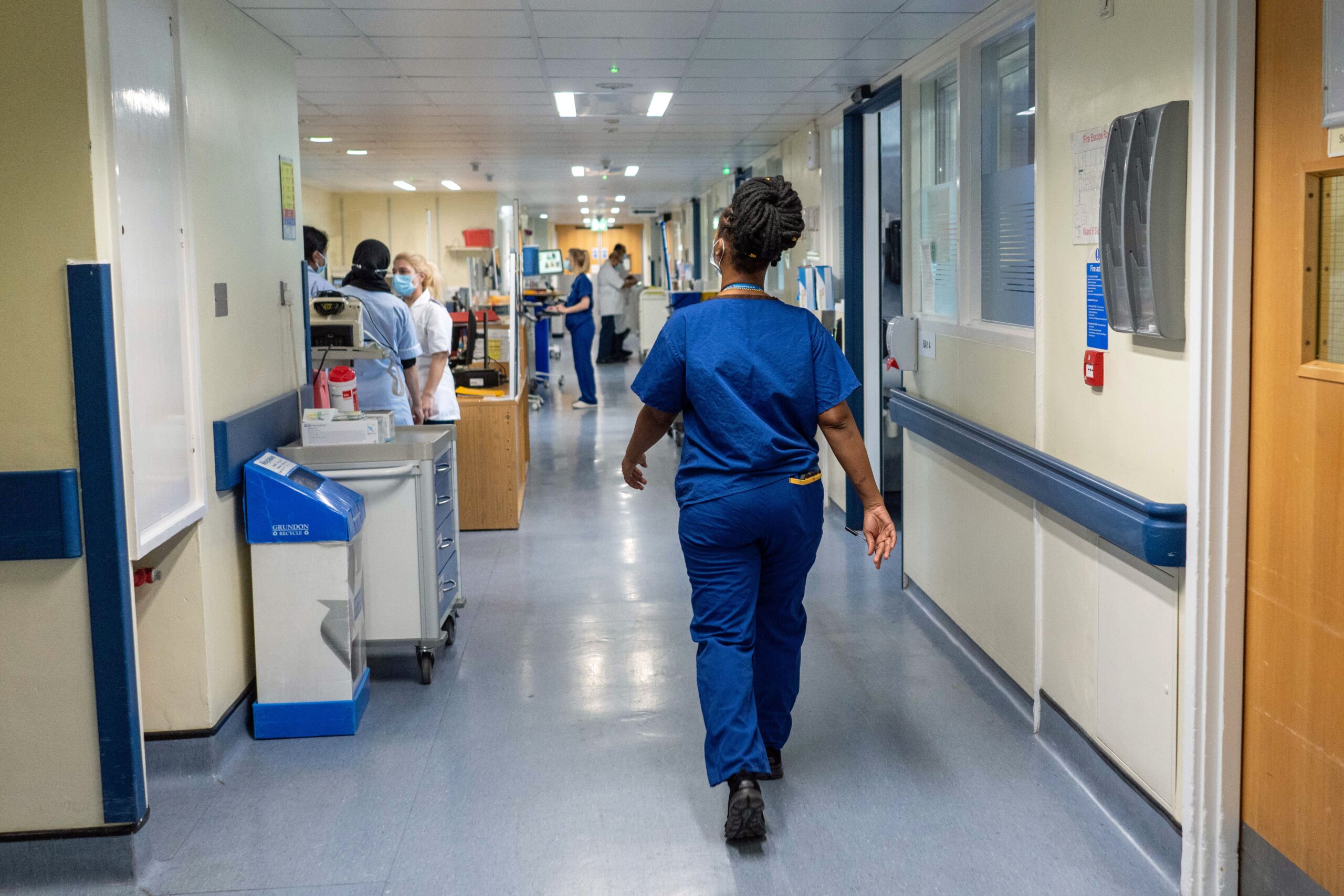
Dr Boyle will tell the launch event that almost half a million (478,901) patients waited more than 24 hours in A&E last year – one in every 35 patients attending.
He will say this is 100,410 more people compared to 2023.
Dr Allin-Khan said: “These statistics make for sobering reading. Ever-increasing numbers of excess deaths and long wait times in our emergency departments are simply not sustainable.
“As an emergency doctor, I know exactly how stretched our A&Es across the country are, as I see it on a weekly basis on my shifts.
“The Government have pledged to fix the foundations of our public services and our A&Es must be at the front and centre of this ambition.
“There has never been an APPG for Emergency Care before and this is exactly the vehicle needed to bring together industry experts, legislators and the Government to move things forward.
“I look forward to working with RCEM and the Government constructively to bring these numbers down, ensuring everyone receives the best quality care, with the dignity they deserve.”
Dr Nick Murch, president of the Society for Acute Medicine, said the figures represented a “profound failure within our healthcare system”, adding: “It is simply shocking to see such a large number of deaths associated with excess waits in emergency departments, but, tragically, the warning signs have been present for far too long.
“We must ensure that 12-hour waits in emergency departments again become an infrequent exception rather than the norm and that will require urgent and adequate action on workforce and capacity issues which remain unresolved.”
A Department of Health and Social Care spokesperson said: “This report lays bare the crisis in NHS waiting times we inherited, with patients suffering unacceptable delays for urgent treatment. It will be a long road to fix our NHS, but we are doing the work to get us there.
“It’s why we are investing an extra £26 billion to reform the health service and make it fit for the future through our plan for change.
“This includes shifting services from hospital to community to ease pressure on A&E departments, on top of recruiting an extra 1,000 GPs to reach patients earlier and move towards prevention.”
